Cookies burn on one rack while the display looks perfect—here is how we validate real cavity temperature on Fisher & Paykel ovens.
Inaccurate oven temperature is less dramatic than a dead oven but just as frustrating for baking.
Fisher & Paykel controls show a target; your food experiences the air around the rack. Those two numbers diverge when sensors drift, gaskets leak, or convection airflow is wrong.
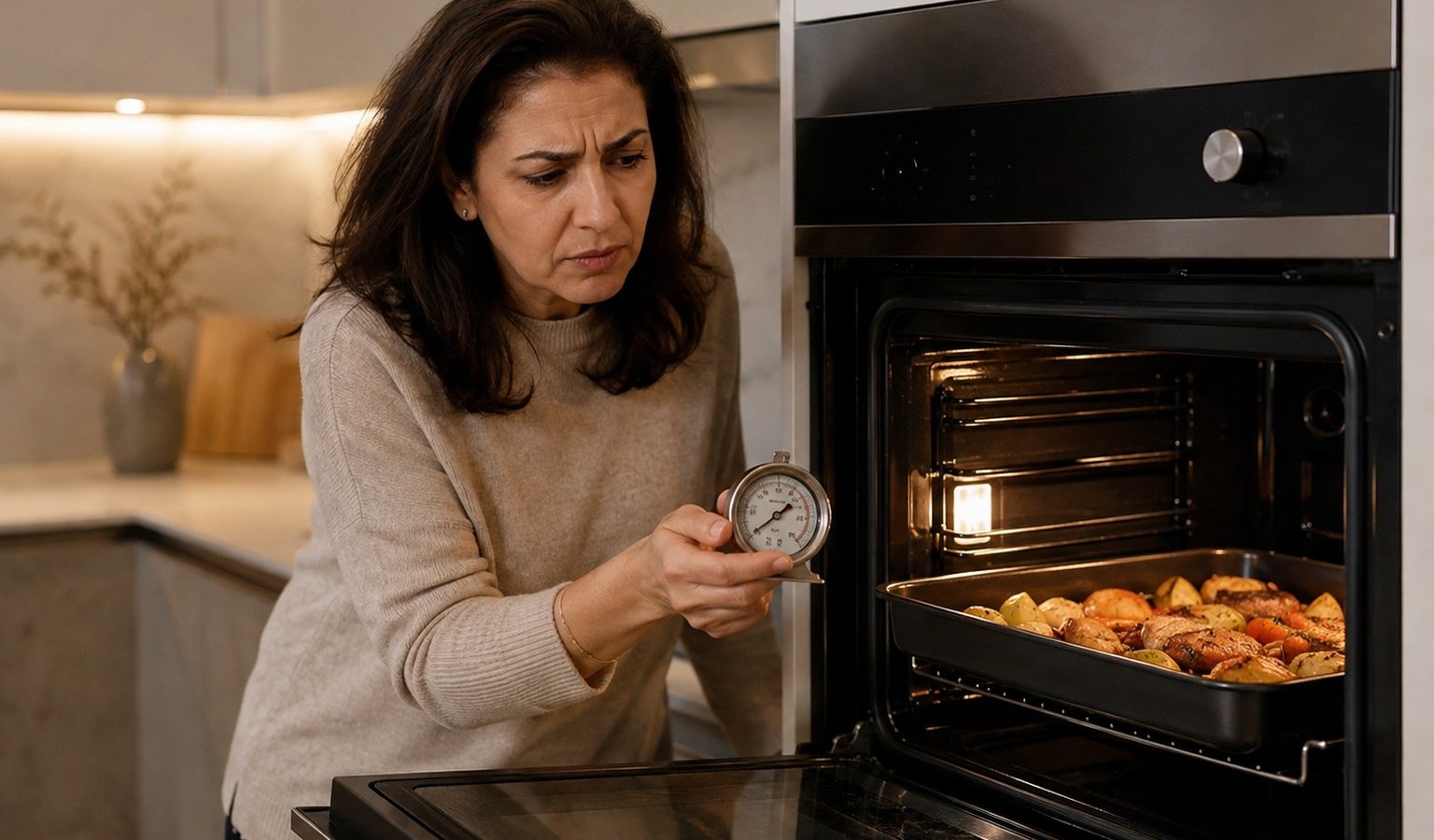
Place an oven-safe thermometer at center rack height, preheat fully, and record after the burners or elements cycle. Compare to the setpoint once, then again twenty minutes later.
Always high, always low, or swinging wildly each suggest different faults. Hot spots only near the door often mean gasket or hinge issues.
Some models allow a modest temperature offset in settings. That helps a stable bias, not a failing sensor that wanders. Recurring wild swings need component testing.
Technicians use calibrated probes and check sensor resistance against temperature charts. Guessing a new control board because muffins browned early wastes time.
Safety note: Do not bypass thermal fuses or tape over safety thermostats to “trick” the oven hotter.
A decent oven thermometer is fine for spotting large errors; tiny differences may need pro tools.
Restricted fans reduce evening and create hot/cold bands.
High-heat cleans can stress sensors; mention recent cleans when booking service.
Share your thermometer readings when you request an accuracy check—it shortens the visit.
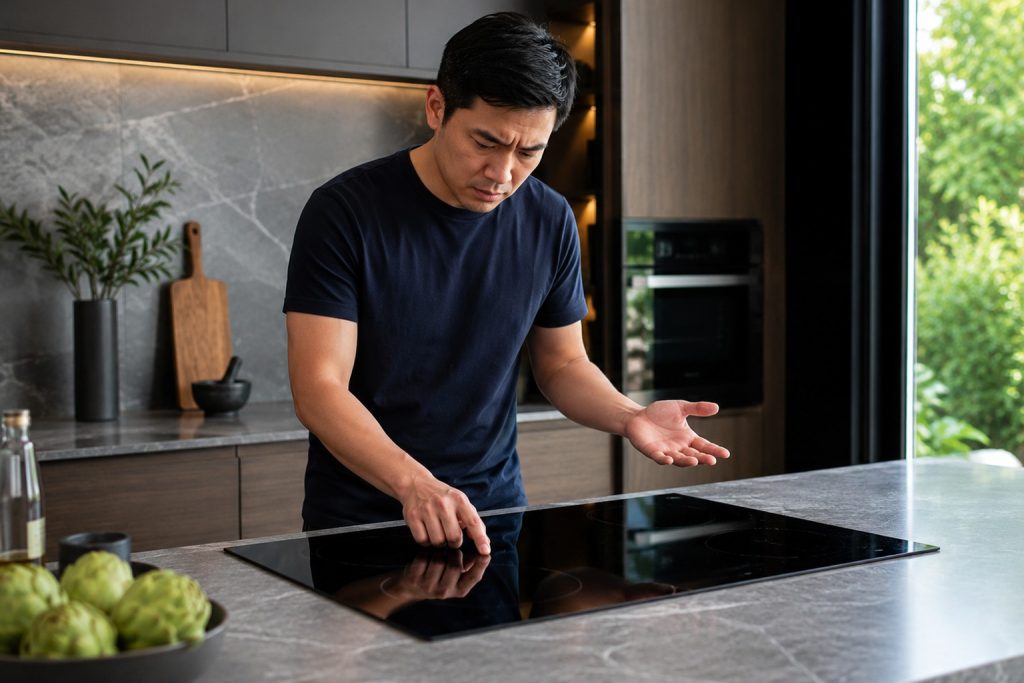
Unresponsive Fisher & Paykel induction surfaces are often cookware, lockout, or power related before they are “dead boards.”
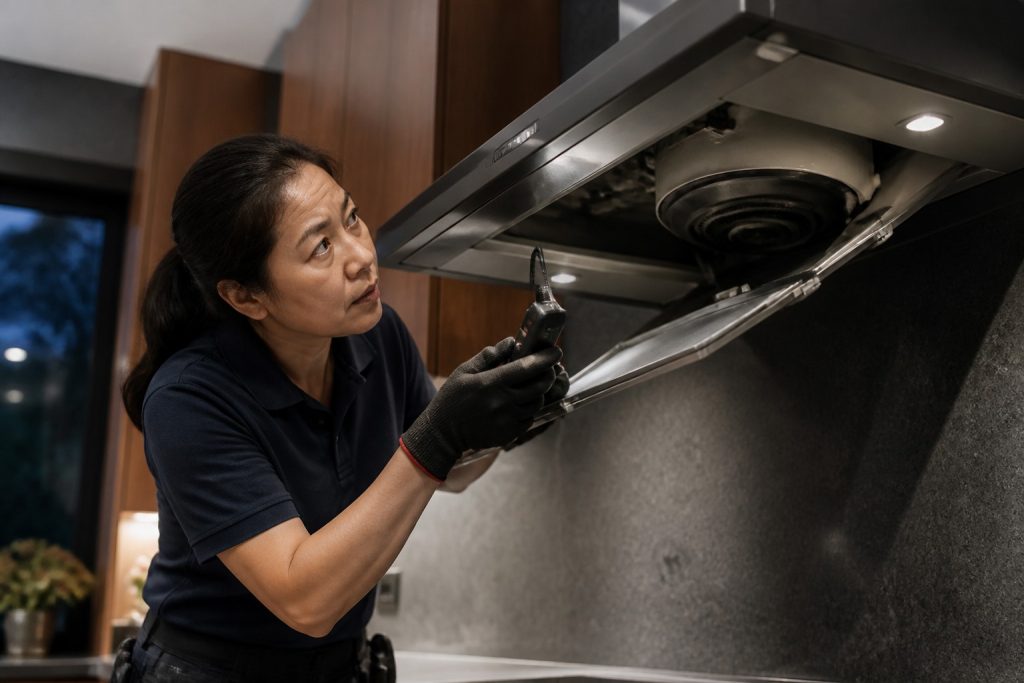
New sounds from a Fisher & Paykel hood usually mean a loose filter, imbalanced blower, or duct resonance—not something to ignore.
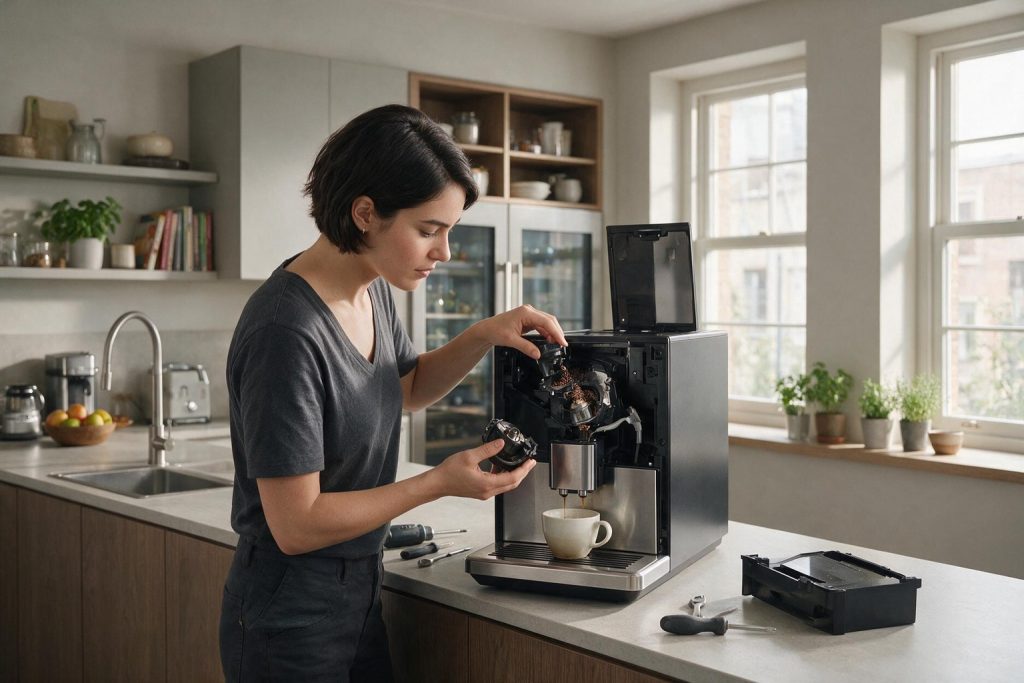
Dribbly shots and noisy grinders on Fisher & Paykel coffee makers often share grind, oil, and scale causes.
Share a few details and we’ll confirm an appointment. Prefer to talk? Call us and we’ll help right away.
Fields marked with * are required.