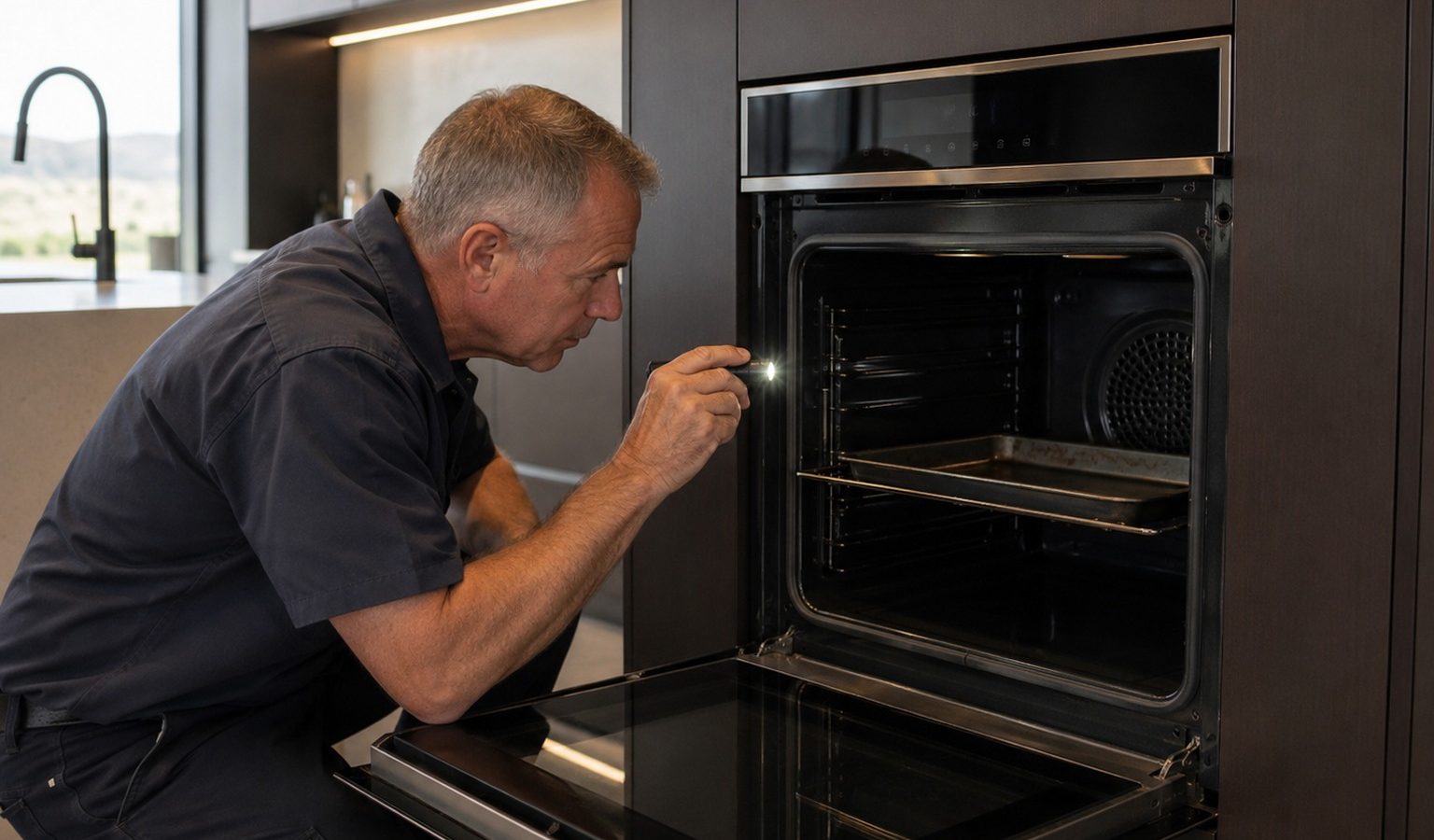
An oven that will not heat, will not hold temperature, or heats unevenly can involve different systems. The estimate depends on the failed mode, exact model, component access, and whether the problem is heating output,…
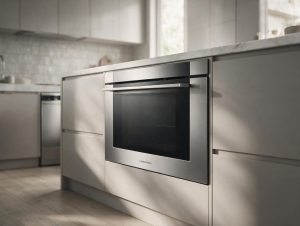
An oven that will not heat, will not hold temperature, or heats unevenly can involve different systems. The estimate depends on the failed mode, exact model, component access, and whether the problem is heating output, sensing, airflow, door sealing, or control behavior.
Before the estimate means anything, collect the observations that reduce uncertainty:
The exact model matters because part revisions, product generation, installation style, and access can change both the diagnostic path and the labor required.
The main variables are the failed system, part availability, whether the first visit can be completed without a return trip, and how the appliance is installed.
Panel-ready refrigeration, built-in ovens, integrated DishDrawers, induction surfaces, ventilation, and built-in coffee can require careful access even when the failed component itself is straightforward.
A quote should be based on measurements and the exact model, not on a generic 'oven not heating' parts list.
Ask:
– what was tested;
– what was found;
– what part or repair action is proposed;
– whether a second visit is expected;
– whether cabinet/panel extraction is required;
– what work is outside the appliance repair scope.
Do not compare the repair only with the retail price of a new appliance. Installed replacement cost can include delivery, haul-away, cabinetry, panels, electrical changes, plumbing, gas work, ventilation, countertop work, and compatibility with the rest of the kitchen.
A well-maintained appliance with one isolated repair is a different decision from an older unit with repeated major system problems.
Read Oven and Gas Cooktop for related symptom context.
Fisher & Paykel has used different product generations, control platforms, and installation formats. The exact model number matters before a technician applies a code meaning, service procedure, or parts reference.
For built-in or integrated oven installations, cabinet clearances and access can also influence what you see. Leave the appliance installed unless the service team specifically asks you to move it. Unplanned extraction can damage flooring, cabinetry, panels, water connections, gas connections, or wiring.
Write down:
– the complete model number;
– the exact symptom in one sentence;
– when it began;
– whether the symptom is constant or intermittent;
– what related function still works normally;
– any displayed code or message before resetting power;
– any recent cleaning, installation, power, water, gas, or ventilation event.
Those details are often more useful than a guess at the failed part.
For ovens, the selected mode matters. Bake, convection, broil, self-clean, and combination functions do not all use the same components in the same way. Note the exact mode where the symptom appears and whether another mode behaves normally.
Avoid opening the door repeatedly during a temperature test. Every opening changes cavity temperature and can make normal recovery look like a heating problem. If the door, latch, or controls behave abnormally after a high-heat cycle, let the unit cool fully before further checks.
Do not keep operating an appliance through a leak, gas odor, repeated breaker trip, severe overheating, grinding mechanical condition, or rising refrigeration temperature just to gather more evidence. One clear observation is enough when the next test would increase risk.
Likewise, avoid removing panels, bypassing switches, changing internal adjustments, or ordering parts before the exact model and failure path are confirmed. Protect the original symptom so the technician can test the appliance in the condition that actually needs repair.
Oven not heating, baking unevenly, or showing an error? We diagnose Fisher & Paykel ovens with a safety-first approach.
Not reliably. The visible symptom can come from several systems, and labor/access varies by model and installation.
No. Diagnosis and repair approval are separate. Applicable service-call terms should be explained before or at the visit.
Only after the failed component and exact part compatibility are confirmed.
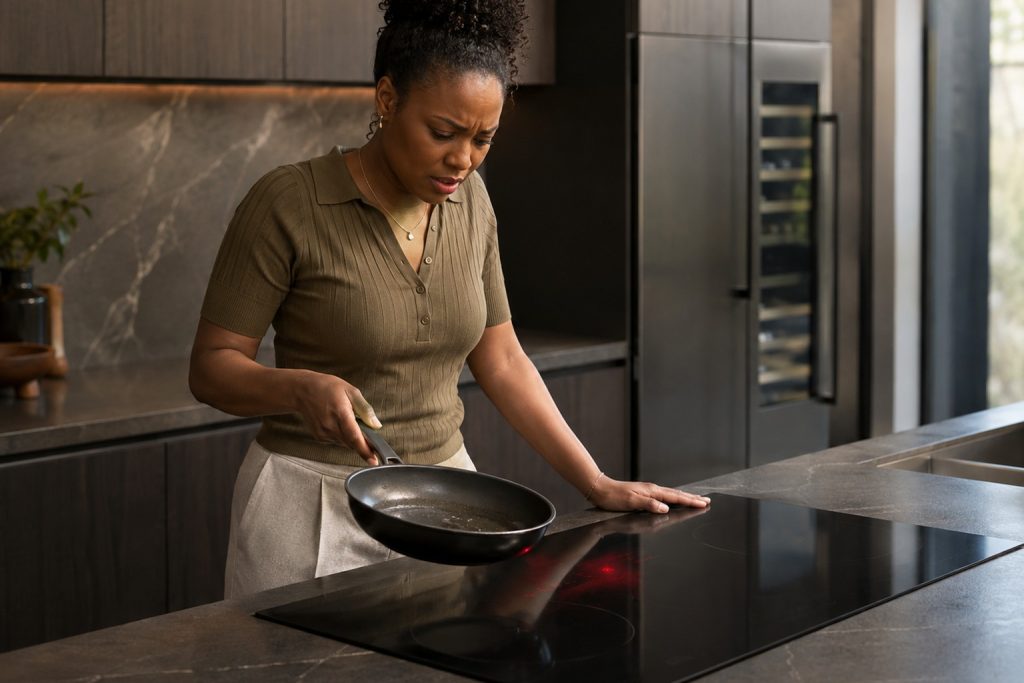
Induction complaints range from cookware detection and lockout settings to one-zone power issues or shared electronic problems. Cost only becomes meaningful after you know how many zones are…
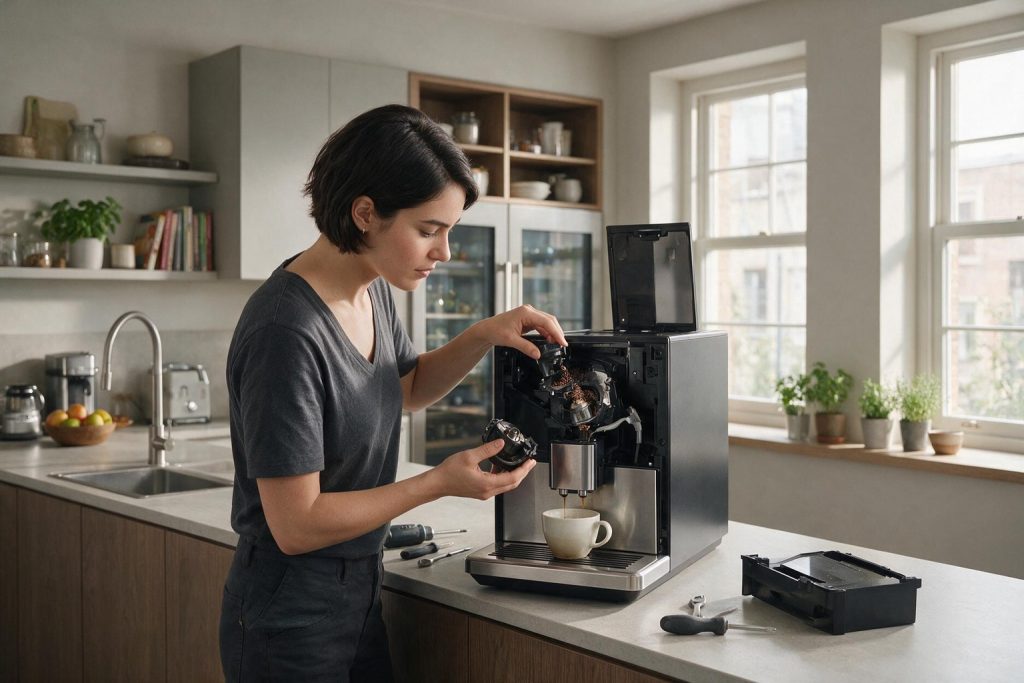
Weak coffee, slow brewing, grinder problems, leaks, or a machine that will not complete a cycle do not all belong to the same repair. Cost depends on the…
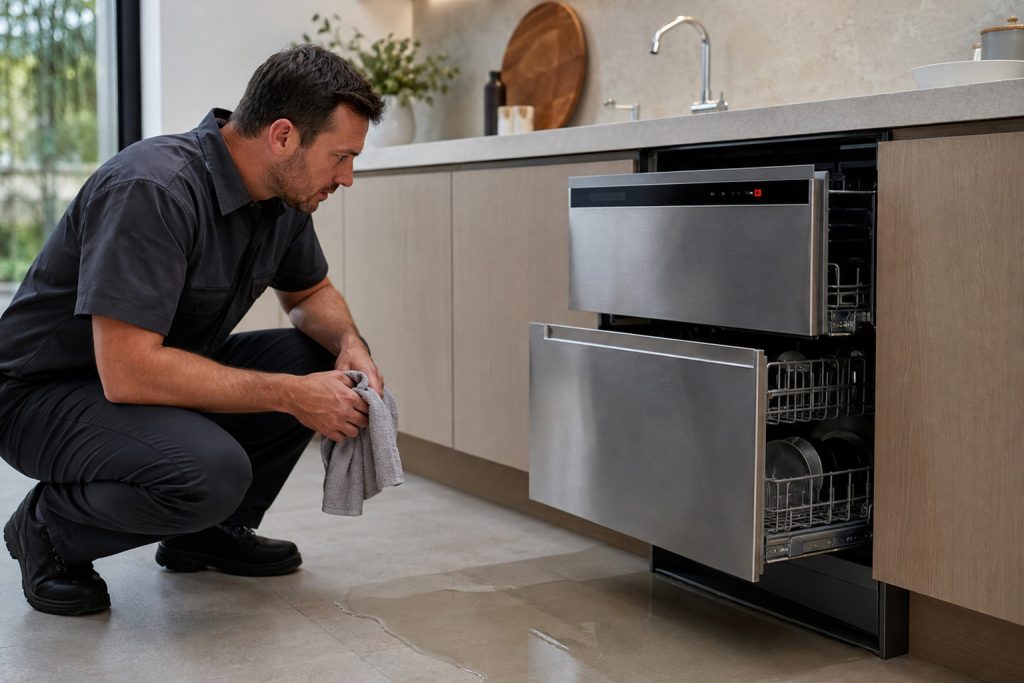
A leak can originate at the door area, fill path, drain path, drawer seal, internal hose, pump area, or base. Those sources have very different labor and parts…
Share a few details and we’ll confirm an appointment. Prefer to talk? Call us and we’ll help right away.